

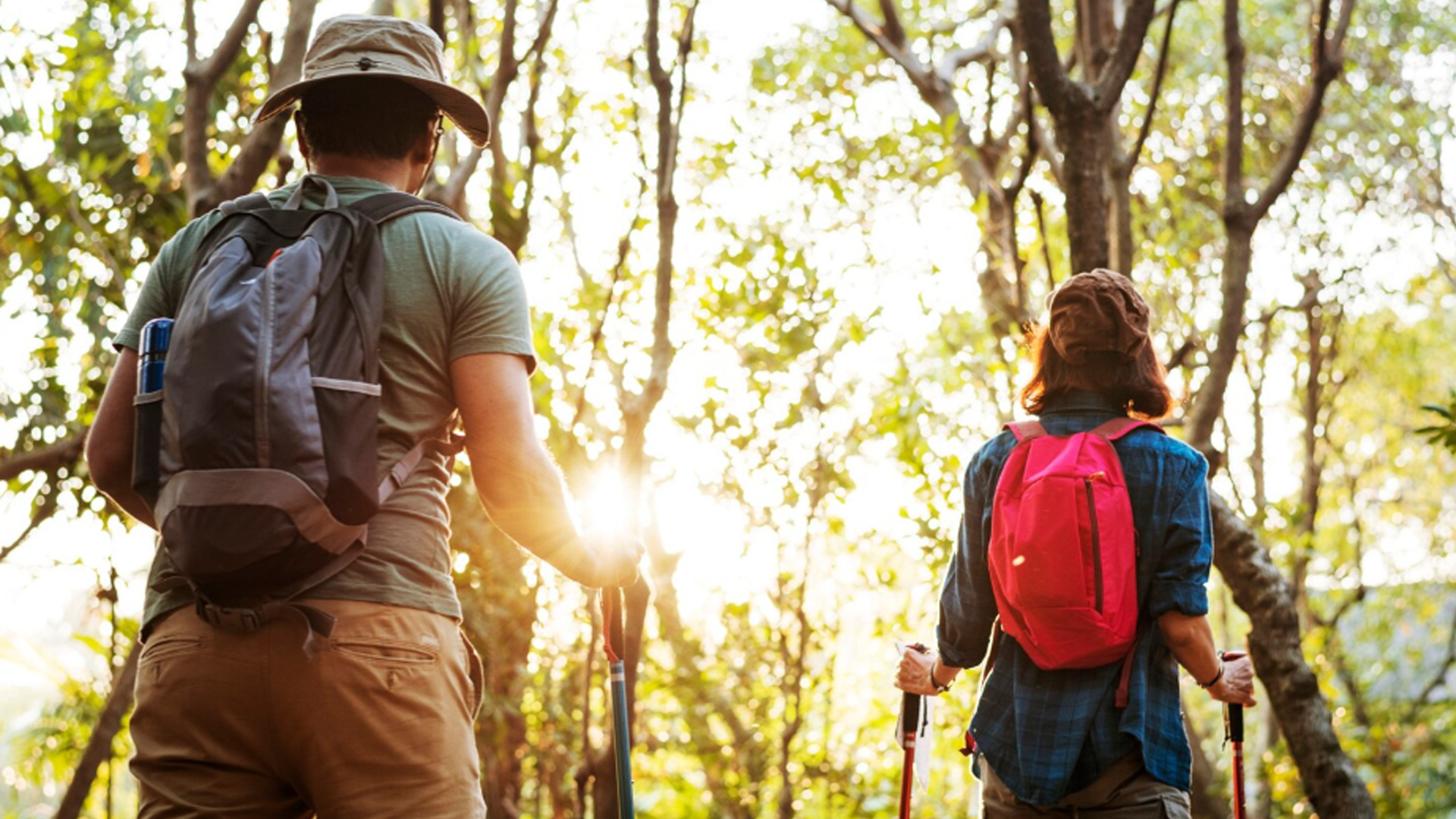
During periods of intense heat, outdoor activities like walking, hiking, and cycling can quickly become exhausting. Adopting the right habits not only protects your health but also allows you to fully enjoy nature. Here are some tips to stay cool, well-hydrated, and safe.
Practical Tips:
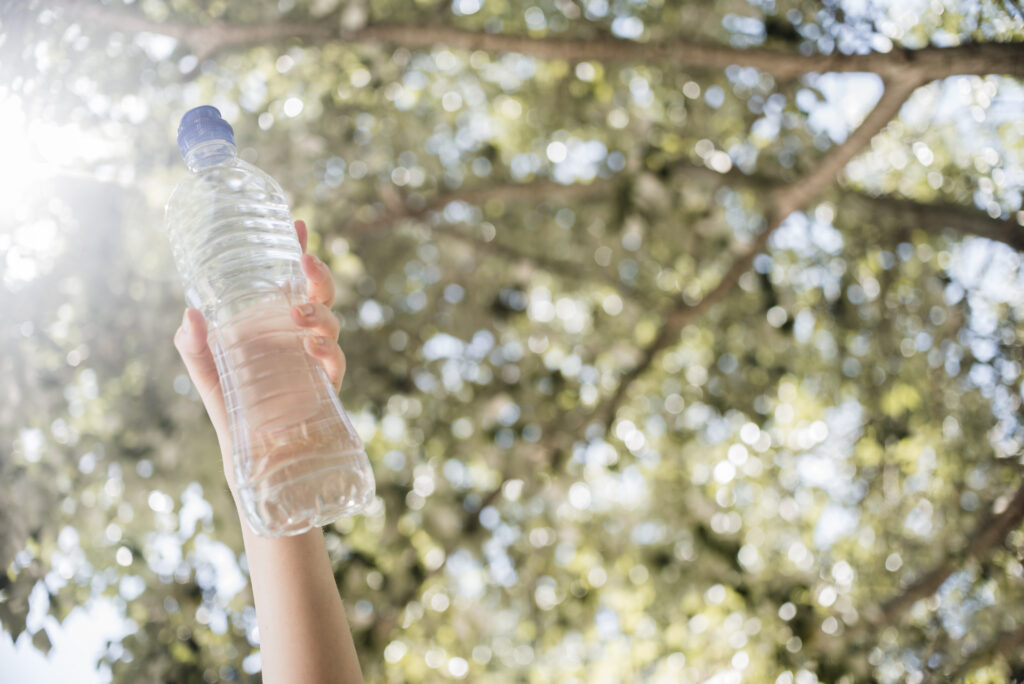
1. Stay hydrated regularly
- Plan to drink at least 1.5 liters, and up to 5–6 liters, spreading your intake every 20 to 30 minutes.
- While cycling, sip small amounts every 10 to 15 minutes, even if you don’t feel thirsty. Still or lightly mineralized water is preferable; avoid sugary or stimulating drinks.
- Remember to supplement with electrolytes or salty snacks to compensate for losses through sweat.
2. Choose your times wisely
- Prefer outings early in the morning or in the evening to avoid the hottest hours (usually between 12 p.m. and 4 p.m.).
- For hiking, starting before sunrise or finishing late in the day helps avoid extreme heat.
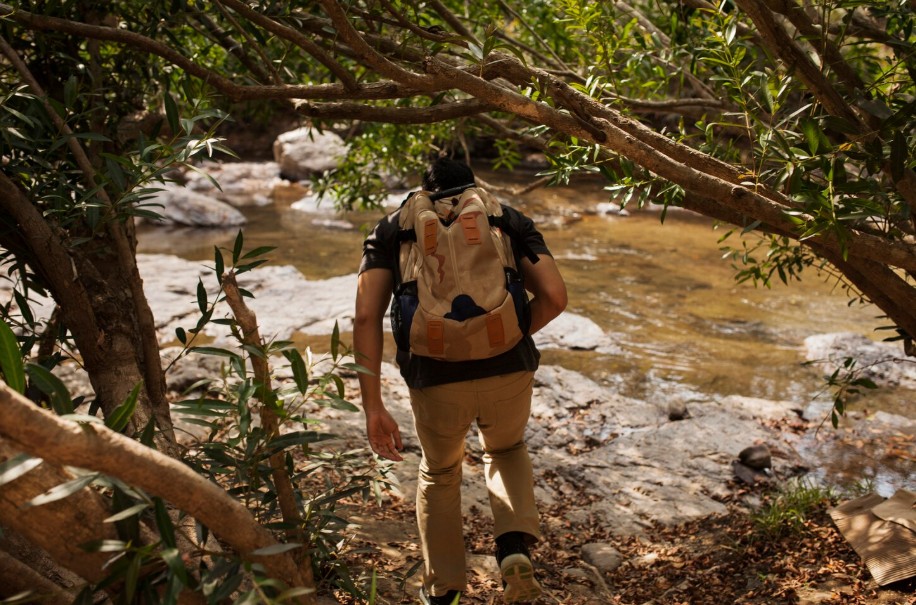
3. Opt for the right routes
- Look for shaded paths (forest, canyons, cool areas) or near water bodies to refresh yourself.
- When cycling, favor tree-lined routes and avoid roads fully exposed to the sun.
Some forest walk ideas in the municipality of Beauraing*:
– Felenne (red rectangle): walks #1, 2, 3, 4, 6, 7, 8
– Froidfontaine (green rectangle): walk #3
– Martouzin (yellow rectangle): walks #1, 2
– Wiesme (blue rectangle): walk #2
– Winenne (blue diamond or rectangle): walks #1, 2, 3, 4, 5
4. Adjust your effort
- Slow your pace, take more breaks, and be ready to slow down or turn back if necessary.
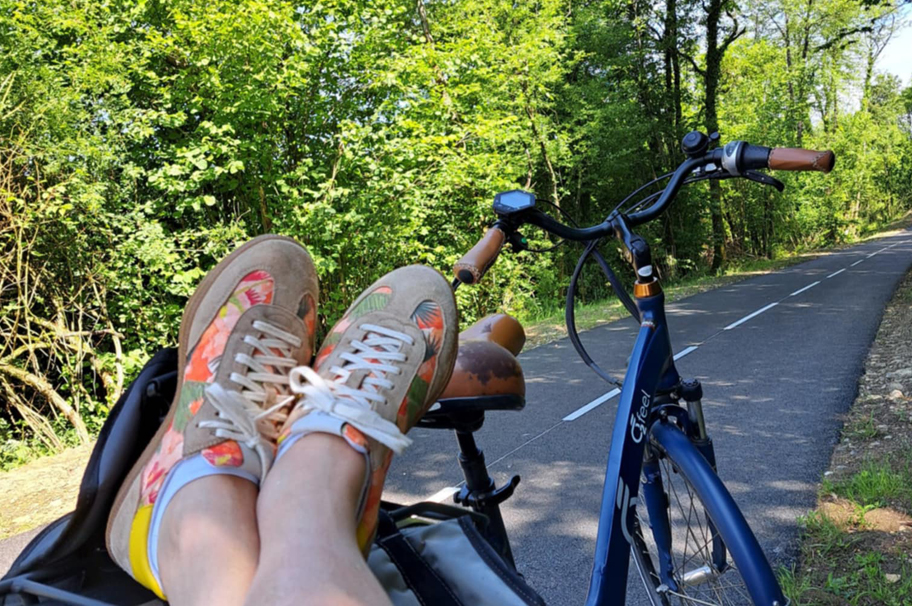
- While cycling, focus on maintaining a comfortable cadence rather than pushing for performance.
5. Protect yourself from the sun
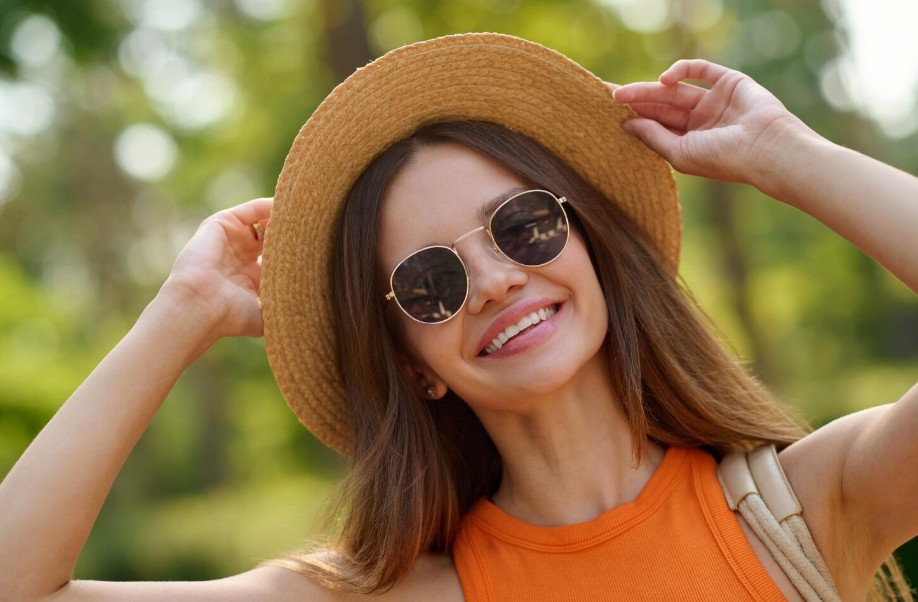
- Wear a wide-brimmed hat or cap with neck protection, sunglasses, and apply sunscreen regularly.
- Dress in light, breathable, loose-fitting clothing in light colors, ideally with UPF protection.
6. Listen to your body
- Be alert for early signs of heat stress: dizziness, fatigue, cramps, confusion. If you experience more severe symptoms (dry skin, loss of consciousness…), seek coolness immediately and call for help.
- Adjust your pace according to your acclimatization level (10°C above usual can already be a risk).
7. Have an emergency plan
- Inform someone of your route and expected return time.
- Carry a charged phone, a map, and signaling devices (whistle, etc.) to be easily located if needed.

Conclusion
A heatwave doesn’t mean giving up: with good preparation, a few adjustments, and vigilance, you can continue walking, hiking, or cycling safely and comfortably. Adopt these simple habits… and enjoy every step (or pedal stroke) without overheating!
Sources:
- Images: Freepik, Pixabay
- FFRandonnée — hydratation, pauses, adaptation de l’effort, protection et limites FFRandonnée
- Andalucia Hiking — horaires, ombre, eau, flexibilité Andalucia Hiking
- Cycling Weekly — hydratation, vêtements adaptés, planification, récupération Cycling Weekly
- REI Expert Advice — vêtements, ombre, acclimatation REI
- G-Heat & Gaya — conseils vélo : hydratation, ombre, protection solaire, pauses G-Heat ®Gaya
- Friends of the Blue Hills — signes d’épuisement, urgence friendsofthebluehills.org
- Veo Strip — vêtements techniques, hydratation, plans de secours veostrip.com
- Self (hot workout) — adaptation, vêtements couvrants, acclimatation SELF
- Santé Magazine & Wikipedia — prévention, sécurité, communication Santé MagazineSELF
Take a look at our walking routes or buy our walking map online or directly from us.


