Bats in Beauraing: where to observe them, why protect them, and how to take action (with Natagora)
Located between the Famenne and the Calestienne, Beauraing offers bats a diverse habitat made up of ponds, hedgerow meadows, forest edges, old trees, and underground cavities. This natural wealth allows the presence of many insect-eating bat species, which here find food, roosts, and breeding areas. The municipality also benefits from the commitment of Natagora and its Plecotus division, which organize awareness activities and scientific monitoring to protect these fascinating nocturnal mammals.
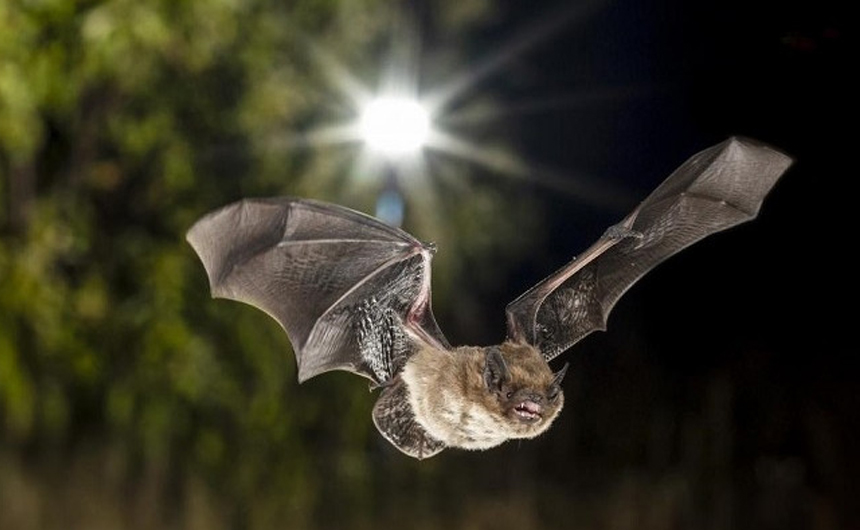
Plecotus
Plecotus is Natagora’s “bat division.” This unit brings together specialists, volunteers, and enthusiasts who carry out scientific monitoring, protect colonies, and raise public awareness. For example, Plecotus coordinates winter count campaigns, the SOS Bats network to help individuals, as well as numerous events such as the European Bat Night. Thanks to this work, knowledge and conservation of bats in Wallonia and Brussels progress each year.
Where to see bats in Beauraing?
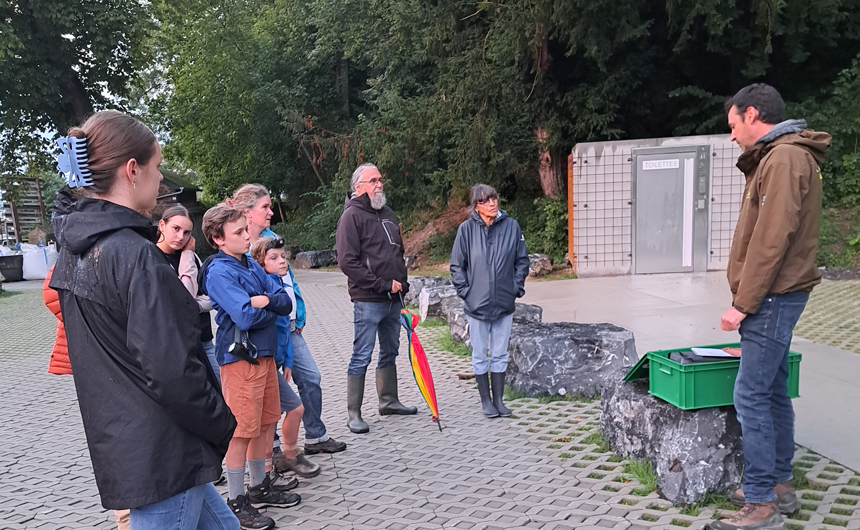
- Parc du Castel Saint-Pierre
Natagora hosts Bat Night here in collaboration with the Beauraing Tourist Office: a guided walk with ultrasound detectors, a short introduction to local species, and a friendly drink.
Next announced date: Friday, August 22, 2025, 8:30–10:30 pm (fully booked). - Natagora reserves around Beauraing
Feschaux (in the municipality of Beauraing): a mosaic of meadows, hedges, young woodlands, and wet valleys, entirely designated as Natura 2000. - Simply around your home: at dusk, by watching them hunt above your terrace or around your building.
Which species can you encounter?
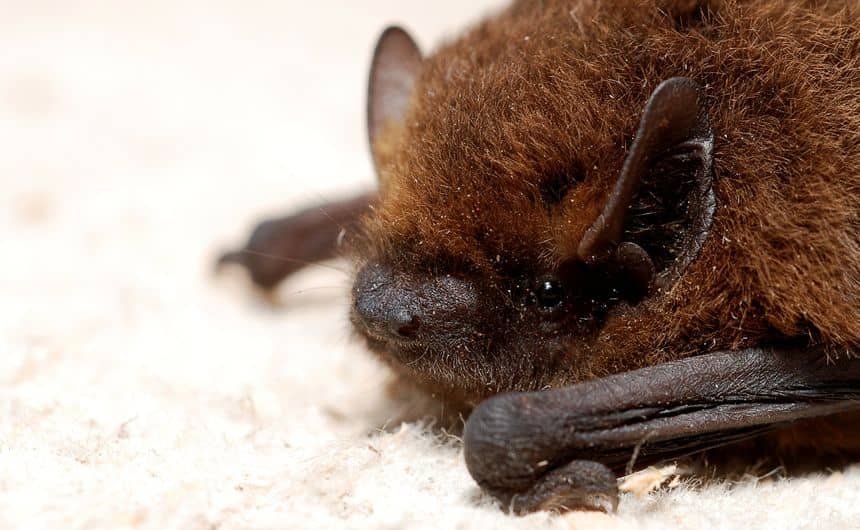
In Wallonia, Natagora/Plecotus records more than 20 species: pipistrelles (common, Nathusius’, pygmy), myotis bats (Daubenton’s, whiskered, greater mouse-eared…), horseshoe bats, serotines, etc. Around the ponds of Castel or along rivers, you often see the pipistrelle (very common) and Daubenton’s bat (hunting low over the water). (Species listed as indicative for the region; local lists vary depending on surveys.)
Why are they precious (and protected)?
- Strict protection: it is forbidden to capture, kill, disturb, damage, or destroy their roosts (breeding/hibernation), as well as to possess or trade them, alive or dead.
- Useful neighbors: as insectivores, they consume huge amounts of insects each night and sometimes use our buildings all year round. Very sensitive periods: summer (non-flying young) and winter (hibernation).
Living with bats at home
- They do not damage roofs: they neither gnaw nor dig; the small noises heard are just movements on surfaces.
- Caution with building works: many modifications (netting, sealing, insulation behind cladding, wood treatments…) can trap or poison bats. Always seek advice before intervening.
- Need help? The Plecotus SOS Bats network provides remote advice and, if necessary, dispatches a volunteer.
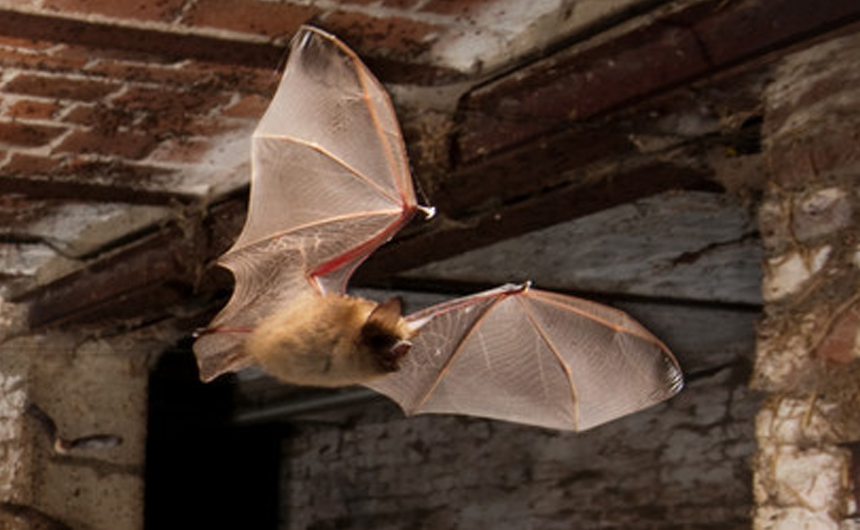
What to do if you find a bat?
In summer, if the animal is not injured: gently place it in a cardboard box with a damp sponge, away from cats, then release it at dusk (on a flat surface). Contact SOS Bats at the slightest doubt.
How to take action in Beauraing (and elsewhere)?
- Take part in Natagora walks (Castel Saint-Pierre, nearby reserves) to learn to listen/identify and support local conservation.
- Preserve roosts: allow access to used attics/rafters, avoid works in summer/winter, keep old hollow trees, limit pesticide use in gardens. (Summary advice from Natagora’s “Protection” and “Biodiversity in Buildings” pages.)
- Minimize light pollution by avoiding unnecessary outdoor lights being left on all night.
- Become a local contact: join the Plecotus/Natagora volunteers, participate in summer monitoring and winter counts.
To go further (Natagora selection)
- Agenda – Nuit des chauves-souris à Beauraing (dates/infos pratiques).
- Plecotus, pôle chauves-souris : études, SOS chauves-souris, bénévolat.
- Espèces de Belgique (galerie et fiches).
- FAQ « j’ai trouvé une chauve-souris » et « incommodé par le bruit ».
- Législation (rappels utiles).
tay up to date on our next ‘Bat Night’ guided walk by checking our calendar.


